
Call us now :07315122667
 Send Inquiry
 Send Inquiry
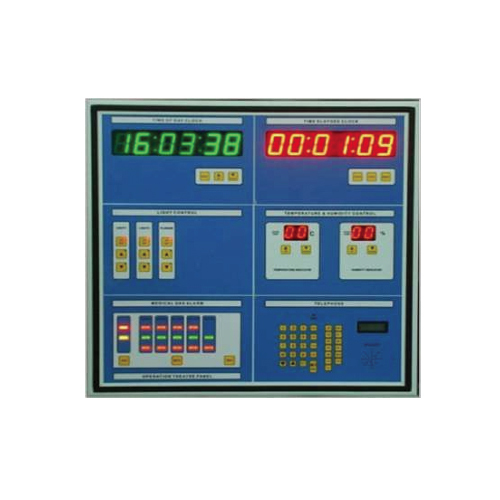
OT Control Panel
Price 48000.0 INR/ Unit
MOQ : 1 Piece
OT Control Panel Specification
- General Use
- Commercial Furniture
- Origin
- India
- Color
- Multiple
- Coating
- Powder
- Usage
- Hospital
- Furniture Type
- Other
- Material
- Stainsteel, Aluminum
- Metals Type
- Aluminum
- Folded
- No
- Size
- Standard
- Feature
- Eco-Friendly
OT Control Panel Trade Information
- Minimum Order Quantity
- 1 Piece
- Supply Ability
- 50 Pieces Per Month
- Delivery Time
- 7 Days
About OT Control Panel
OT (Operation Theatre) control panels, also known as Surgeon Control Panels, are central hubs for managing and controlling various essential functions within a modern operating room, enhancing efficiency, safety, and workflow. These sophisticated systems offer advanced features like regulating lighting, temperature, and humidity, managing medical equipment and communication, and providing real-time monitoring and alarms.
Key Features and Functions of OT Control Panels:
-
They consolidate controls for lighting, temperature, humidity, medical gases, and other critical systems into a single interface, often a touchscreen.
-
They help maintain optimal and stable environmental conditions crucial for surgical procedures, including temperature and humidity control.
-
OT control panels integrate with various medical equipment, allowing for streamlined management and optimization of their functions.
-
They provide crucial safety functions like medical gas alarms, room pressure indicators, and emergency backup systems to ensure continuous care and patient well-being.
-
They facilitate communication and coordination within the OT and can integrate with hospital information systems.
-
Designed with ease of use in mind, many modern panels feature intuitive touchscreen interfaces with clear displays and customized settings.
Frequently Asked Questions (FAQs):
-
Its primary function is to centralize the management of essential OT functions like lighting, temperature, humidity, and medical gas systems to enhance workflow efficiency and patient safety.
-
They enhance patient safety by combining data retrieval, alarms, and real-time monitoring, providing timely alerts and reliable environmental control.
-
By maintaining optimal environmental conditions and allowing for remote operation, they can help minimize physical movement in sterile areas, thus reducing infection risk.
-
Yes, many control panels are designed with customizable configurations to support various surgical needs and equipment preferences, including software-based panels with specific features like X-ray viewers and live surgery views.
-
Benefits include enhanced surgical efficiency, improved patient safety, optimal working conditions, reliability, reduced disruption, adaptability, and streamlined workflow.
-
Components can include medical gas alarms, HEPA filter stand modules, room pressure indicators, temperature and humidity controls, and peripheral light controls.
-
They need to comply with safety standards like IEC 61439, which focuses on safety, design, and performance requirements for low-voltage switchgear and controlgear assemblies, including temperature management and insulation.
Tell us about your requirement

Price:
Quantity
Select Unit
- 50
- 100
- 200
- 250
- 500
- 1000+
Additional detail
Mobile number
Email

More Products in Hospital Equipment Segment Category
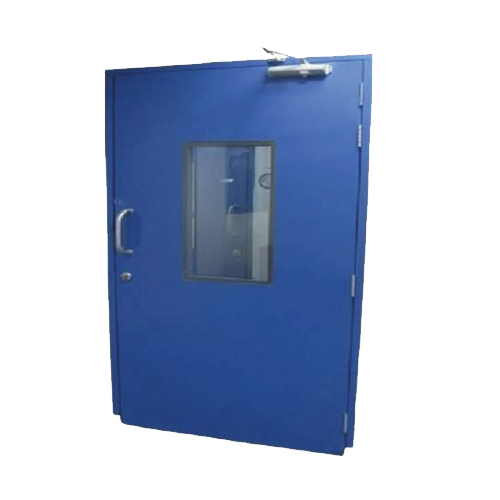
Cleanroom Doors
Minimum Order Quantity : 1 Unit
Color : Blue
Origin : India
Feature : EcoFriendly
General Use : Commercial Furniture
Size : Standard
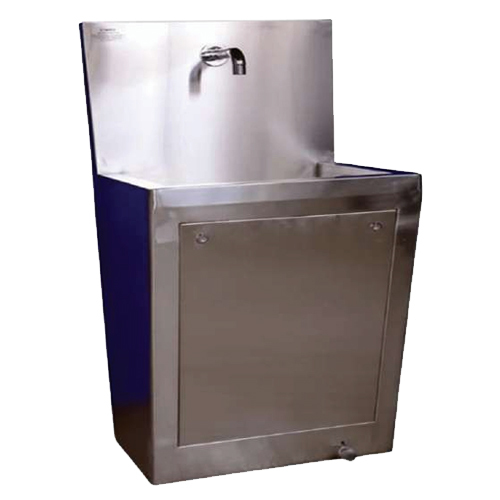
SS Scrub Sink
Minimum Order Quantity : 1 Unit
Color : Silver
Origin : India
Feature : EcoFriendly
General Use : Commercial Furniture
Size : Standard
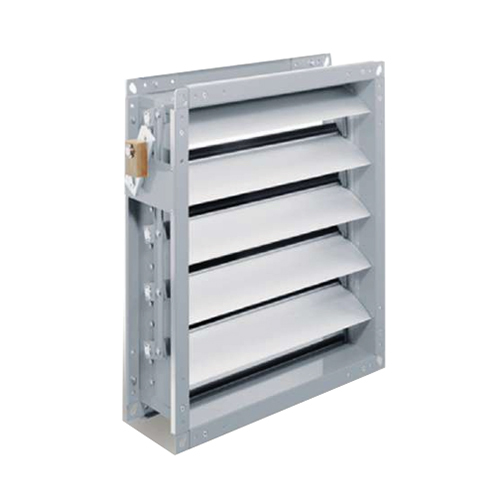
SS Pressure Release Damper
Minimum Order Quantity : 1 Unit
Color : Silver
Origin : India
Feature : EcoFriendly
General Use : Commercial Furniture
Size : Standard
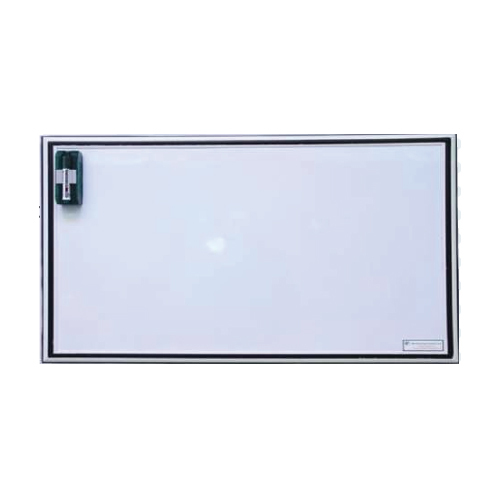
Writing Board
Minimum Order Quantity : 1 Unit
Color : Grey
Origin : India
Feature : EcoFriendly
General Use : Commercial Furniture
Size : Standard

 Send Inquiry
Our Products


KHASRA NO 272, DHAWAPUR ROAD, NEAR ZARA AVAAS,Gurugram - 122001, Haryana, India

Mr. Anil
(DIRECTOR)
Mobile :07315122667
 Send Inquiry
Developed and Managed by Infocom Network Private Limited.


 English
 Spanish
 French
 German
 Italian
 Chinese (Simplified)
 Japanese
 Korean
 Arabic
 Portuguese